
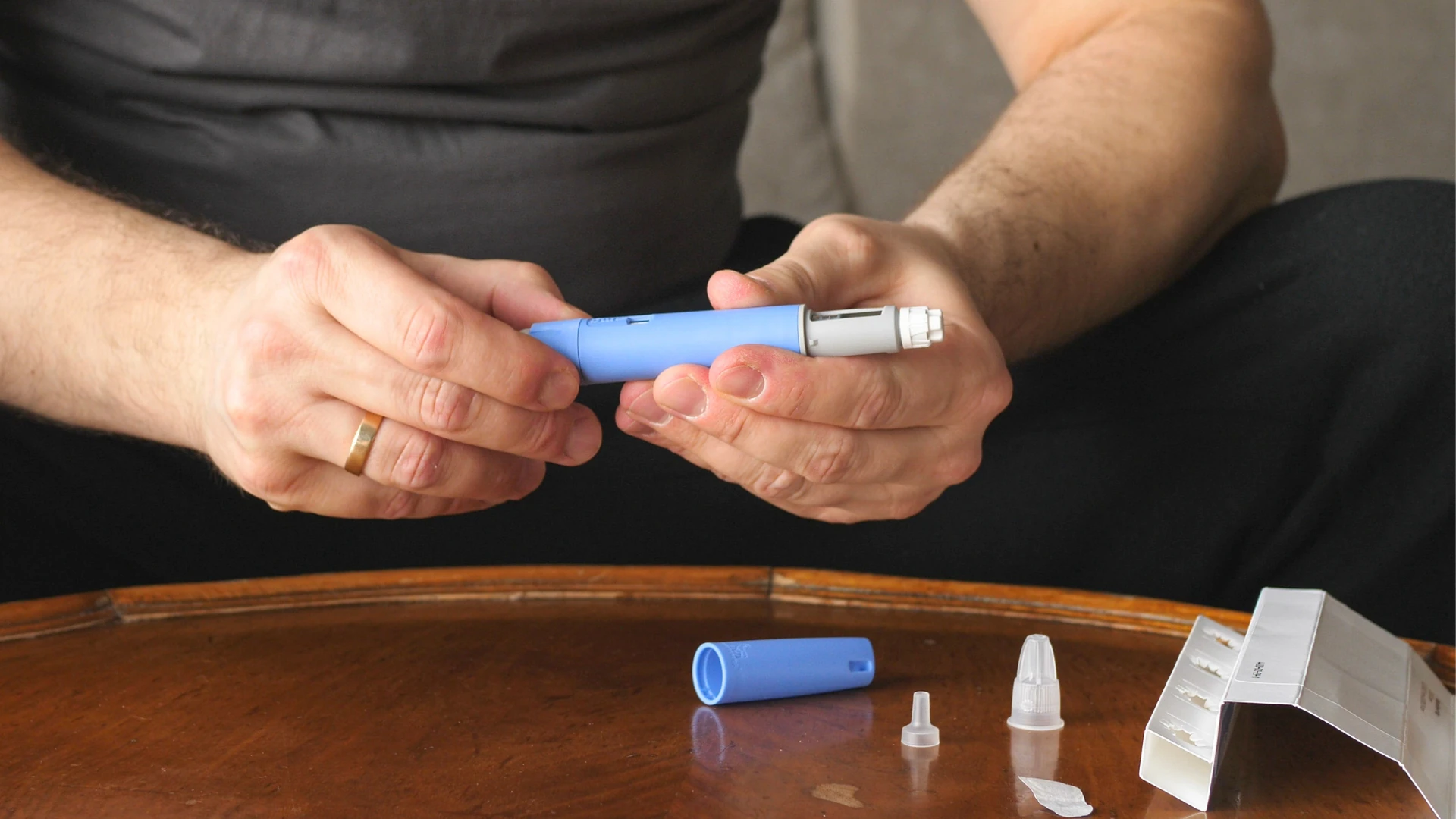
GLP-1 medications are changing apparel demand, inventory planning, and sizing. Discover what every fashion executive should know.
For years, fashion retailers have relied on historical demand patterns to decide which sizes to produce, how much inventory to hold, and when collections should reach stores. That model assumes consumer behavior changes gradually.GLP-1 medications are challenging that assumption.
As millions of people adopt treatments such as Ozempic, Wegovy, Zepbound, and Mounjaro, body measurements are changing faster than traditional retail planning cycles were designed to handle. The shift extends beyond weight loss. It influences clothing purchases, wardrobe replacement, inventory management, product development, and long-term merchandising strategies.
According to Loxias’ latest report, based on 5.3 million online conversations, discussions around weight loss medications have evolved far beyond healthcare. They now reflect meaningful changes in consumer behavior that are already affecting industries including fashion, food, and retail.
For apparel executives, this represents more than another consumer trend. It raises an important business question.
How do you plan inventory when customers are changing faster than your planning cycle?
GLP-1 has become a consumer behavior story
The conversation surrounding GLP-1 medications is no longer centered exclusively on obesity treatment or diabetes management.
Loxias analyzed more than 5.3 million mentions published between July 2025 and June 2026, generated by 1.6 million unique authors with a potential reach of 8.6 billion. The findings show that discussions increasingly revolve around lifestyle changes, body image, shopping habits, and purchasing decisions rather than the medications themselves. For fashion companies, that distinction matters.
Retailers typically monitor sales performance, inventory turnover, and customer feedback to identify market shifts. By the time those indicators change, consumer behavior has often been evolving for months. Social conversation provides an earlier signal.
In this case, it shows consumers discussing new clothing sizes, replacing wardrobes, experimenting with different styles, and adjusting shopping habits long before many retailers have updated their merchandising strategies.
The apparel industry is already seeing the impact
The report found that conversations about fashion are dominated by discussions around body changes and beauty standards.
Approximately 89.1% of fashion-related conversations focus on changes in body shape and appearance, while only 4% discuss the commercial opportunities created by this shift. Another 6.9% remain informational.
This imbalance suggests that many companies are still reacting to changes instead of planning for them. Meanwhile, consumer behavior continues to evolve.
As GLP-1 adoption increases, retailers may need to rethink:
- Collection planning
- Size distribution
- Garment development
- Inventory strategies
- Brand communications
- Fit technologies
These changes are likely only the beginning of a broader transformation across apparel retail.
Consumers are replacing their wardrobes faster
The commercial impact extends beyond consumers buying smaller clothing sizes. People using GLP-1 medications often experience continuous body changes over several months, creating an entirely different shopping journey. According to data referenced in the report:
- 73% of current GLP-1 users report significant clothing size changes.
- 26% say they are spending more on apparel.
- Clothing expenditures increase by an average of 9.9% after six to eight months of treatment.
- 80% expect to purchase new clothes because of size changes.
- 55% have already purchased apparel or footwear during their weight-loss journey.
- 25% refreshed their wardrobe not only because clothes no longer fit, but also because they wanted to reflect a new personal identity.
These numbers reveal something important. Consumers are no longer making isolated purchases. Many are entering repeated wardrobe replacement cycles as their bodies continue changing over time. For retailers, this creates new purchasing patterns that traditional forecasting models may not fully capture.
Why traditional inventory planning is under pressure
Fashion planning has historically depended on relatively stable size curves. GLP-1 adoption is introducing greater variability into that equation. Consumers may postpone purchases while waiting for their weight to stabilize. Others buy multiple sizes before deciding which one fits best. Return rates can also increase during this adjustment period.
According to the report:
- Exchanges for smaller sizes reached 14.6% in 2025.
- Some retailers reported that more than half of weight-loss-related returns involved GLP-1 users.
- Demand for L, XL and XXL sizes is declining while smaller sizes continue gaining share.
- By 2027, nearly 400 million garments could become misaligned with consumer demand, putting approximately US$5 billion in inventory at risk.
The financial implications extend well beyond inventory. Higher return volumes increase logistics costs, reduce margins, and complicate assortment planning across every sales channel.
The opportunity is bigger than smaller sizes
One of the biggest misconceptions surrounding GLP-1 adoption is that it simply shifts demand toward smaller garments. The data tells a different story.
Consumers are changing their wardrobes while their bodies are still changing. That creates uncertainty about sizing, increases purchase frequency, and makes historical demand patterns less reliable.
For retailers, the challenge is no longer predicting what consumers will buy next season. It’s understanding how quickly those consumers are evolving between seasons.
Loxias estimates that GLP-1 adoption could generate between US$3 billion and US$13 billion in additional annual apparel sales in the United States. However, capturing that opportunity depends on how quickly retailers adjust their planning models to match changing consumer behavior.
Retailers that continue relying on historical purchasing patterns may find themselves carrying the wrong inventory in the right market.
What fashion leaders should be rethinking
The report suggests that the industry’s response needs to go far beyond merchandising. Several core business functions are likely to require adjustment over the coming years.
- Demand Forecasting: Historical purchasing data becomes less predictive when a growing segment of consumers changes clothing sizes within months. Forecasting models will need to account for behavioral shifts alongside traditional sales metrics.
- Size Distribution: Regional demand for specific sizes may change faster than previous planning assumptions. Brands that continuously monitor consumer signals can respond earlier, reducing overstocks in declining size ranges while improving availability where demand is increasing.
- Product Development: Garment construction, fit consistency, and flexibility become increasingly important when customers expect clothing to fit throughout a period of physical change. Some brands may also explore product lines designed around transitional sizing or more adaptable silhouettes.
- Inventory strategy: Inventory planning becomes less about maximizing volume and more about maintaining flexibility. Shorter production cycles, responsive replenishment strategies, and closer alignment between demand signals and manufacturing decisions can help reduce excess stock while improving availability.
- Returns and customer experience: Returns are becoming more expensive as body changes accelerate. Improving fit recommendations, simplifying exchanges, and helping shoppers select the right size earlier in the buying journey can reduce operational costs while improving customer satisfaction.
Why consumer conversations matter more than ever
Traditional retail metrics explain what has already happened. Consumer conversations often reveal what is happening next.
One of the most valuable findings in the Loxias report is not simply the scale of the discussion surrounding GLP-1 medications. It is how quickly those conversations expanded beyond healthcare into topics such as fashion, food, lifestyle, body image, and purchasing behavior.
That evolution matters because it reflects changing consumer priorities before those changes are fully visible in sales reports. Executives who monitor only financial performance may recognize these shifts after competitors have already responded.
Organizations that combine consumer intelligence with operational planning can identify emerging demand patterns much earlier.
The future of fashion will be defined by adaptability
GLP-1 medications are creating a new category of consumer. These shoppers are not simply losing weight. They are changing clothing sizes more frequently, replacing wardrobes sooner, experimenting with personal style, and developing new shopping habits.
For fashion brands, the question is no longer whether this trend will influence retail. The evidence suggests it already is. The real competitive advantage will belong to companies that recognize these behavioral changes early enough to adapt inventory, merchandising, assortment planning, and customer experience before the market fully adjusts.
Fashion has always responded to changes in consumer preferences. Now it must also respond to changes in consumer physiology.
Frequently asked questions
GLP-1 medications are accelerating changes in clothing sizes, increasing wardrobe replacement, influencing apparel spending, and creating new challenges for inventory planning, merchandising, and demand forecasting.
Because consumers using GLP-1 medications often purchase clothing differently as their bodies change over time. This affects inventory management, return rates, and future demand across multiple apparel categories.
According to the Loxias report, GLP-1 adoption could add between US$3 billion and US$13 billion annually to U.S. apparel sales while also creating significant operational challenges for retailers that fail to adapt.
The report shows that conversations around GLP-1 medications have expanded beyond healthcare to include body image, lifestyle, shopping habits, and purchasing decisions, reflecting a broader transformation in consumer behavior.
Conclusion
Consumer behavior is changing faster than many retail planning models were designed to accommodate. GLP-1 medications are accelerating that change by influencing how people shop, how often they replace clothing, and what they expect from apparel brands.
For fashion executives, the challenge extends well beyond sizing. It involves forecasting demand more accurately, improving inventory flexibility, reducing operational risk, and understanding emerging consumer behavior before it becomes visible in sales data.
The companies that adapt first will be better positioned to serve a customer whose body, lifestyle, and purchasing decisions are evolving in real time.
Download the full Loxias report
Explore how GLP-1 medications are reshaping fashion, food, healthcare, and the creator economy through an analysis of 5.3 million online conversations. Discover the consumer behavior shifts already influencing business strategy across multiple industries and what they could mean for your organization; LINK